Join/Renew


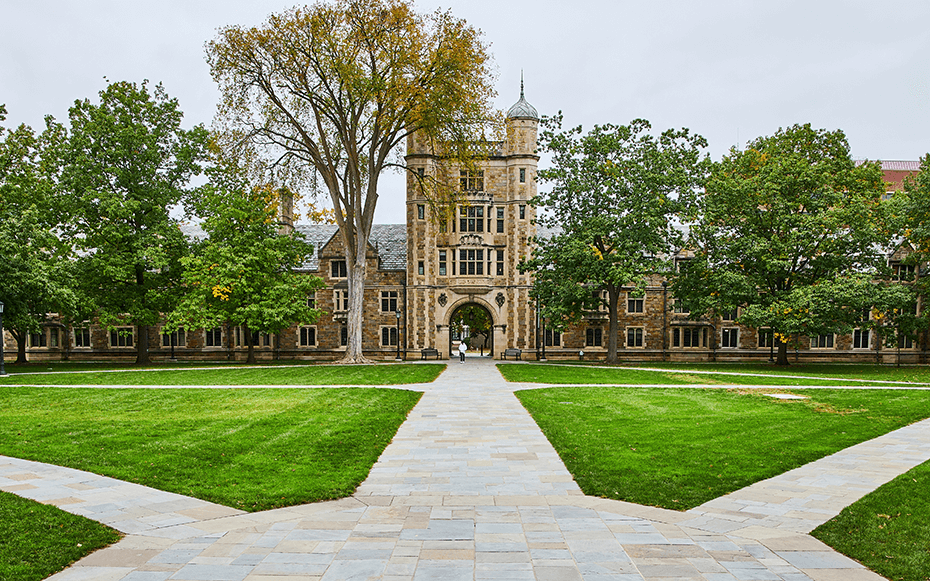


Recently, a NACE member raised questions about recruiter safety on campus. Given the number of issues that have recently made headlines, such as bomb threats, active shooters, severe weather, protests and more, this topic is likely top of mind for recruiters and career services staff alike. There are many ways to prepare for and manage through tenuous situations to ease the stress level of those involved and ensure the safety of all.
Although most institutions have multilevel public safety alert systems, including text alerts, it often isn’t clear how visitors—including employers engaged in on-campus activities—are notified when there is a concern.
Here are some practical steps recruiters can take:
- Connect with your campus partners in advance of your visit to discuss safety protocols: Ask about the institution’s public safety system (often available publicly) and how the campus manages visitor safety, including whether visitors can receive alerts. At a minimum, ask to be connected with campus security to ascertain what safeguards are in place for visitors and what steps you can take.
- Be aware of what is happening on the campuses you are visiting: Check before you go. What events are taking place? Who will be on campus when you are there? Before you arrive on campus, check campus news sources, local and national media, and weather apps and touch base with your campus partners for anything that may not be getting press.
- Avoid scheduling events in areas prone to protest activity or near contentious campus spaces. If this isn’t possible, ask about security arrangements for your event in advance, work with your campus partners to plan safe routes for on-campus travel and parking, and avoid being on campus after dark.
- If you are concerned about backlash because of your company’s or industry’s reputation, don’t wear branded gear and don’t engage in contentious campus issues or debates. Consider using escorts or setting up a buddy system for team members.
- Have contingencies in place, and be prepared in advance. Carry the contact information for your campus contact, including mobile numbers if available, campus security, and any event organizers. Always have a clear exit strategy: Know where to go if an incident occurs and who to call, including at your own company. Additionally, ensure that you have provided all of your contact information and travel plans to your supervisor and your company’s security force in advance. If you are concerned about any issue, talk with your campus partner about alternatives, and be flexible with virtual options if in-person presence becomes or appears to be tenuous.
Career services professionals can also play a part. Employers look to their campus partners to help them succeed on campus, and that includes helping to ensure their safety. Here are some practical steps career services staff can take:
- Check with your campus security team for details on the protocols that cover visitors. What should visitors be aware of? Are there options for including them in text alerts or other systems?
- Stay on top of safety and other issues that could impact a recruiters visit. When an incident or potential incident is made know to you, assess whether it will impact your upcoming recruiter visits and, if so, notify your recruiter partners immediately to clarify safety protocols, expectations, and plans.
- Provide recruiters with your security protocols for campus and specific events. Provide your contact information as well as the contact information for campus security.
- Designate a staff member to alert recruiters of any recent or immediate risks, closures, or scenarios that could impact their visit as soon as the issue is known.
- Inform recruiters of any planned demonstrations, closures, or heightened risks. Share your emergency protocols, including shelter-in-place and evacuation procedures; as well as provide clear maps of event spaces, security stations, and emergency exits in advance of and during visits.
- Ensure safety is a priority for your event logistics. Work with campus security to ensure visible presence during major events like career fairs. Consider bag checks or controlled entry if large crowds are expected. Provide safe, alternative access points for recruiters such as private entrances, secure parking, and peer/security escorts.
- Have contingency plans in place and offer flexibility and alternatives. Have back-up plans for hybrid/virtual recruiting options ready and offer recruiters guidance on rescheduling or moving events online without penalty. Additionally, provide channels for recruiters to debrief concerns if something unsafe occurs.
- Review your protocols and continuously improve safety planning.
There are many productive ways recruiters and career service professionals can work together to support each other through unanticipated and tenuous situations, especially those that involve safety and security. Let’s spread the word, and if you have other ideas, please share them in the NACE Community.